




Understanding Stroke: An Overview
A stroke, often referred to as a cerebral vascular accident, is a sudden interruption of the blood supply to the brain. This disruption prevents oxygen and essential nutrients from reaching brain tissue, leading to potential brain damage. Strokes can have far-reaching consequences, impacting various aspects of physical and cognitive functions. Understanding the types, causes, and preventive measures is critical in aiding recovery and rehabilitation.
Types and Causes of Stroke
There are primarily three types of strokes: ischaemic, haemorrhagic, and transient ischaemic attacks (TIAs). Ischaemic stroke, the most common type, occurs when a blood clot obstructs a vessel supplying blood to the brain. Haemorrhagic stroke happens when a weakened blood vessel ruptures, leading to bleeding in or around the brain. TIAs, sometimes called mini-strokes, are temporary blockages that, while brief, serve as warning signs for potential future strokes.
Common causes include high blood pressure, smoking, diabetes, high cholesterol, and heart diseases. Lifestyle factors such as diet, exercise, and stress levels also play significant roles in stroke risk.
The Role of Mindset in Recovery
Mindset plays a crucial role in the rehabilitation and recovery process after a stroke. A positive and resilient mindset can significantly enhance recovery outcomes. Strokes often leave individuals with physical limitations and cognitive changes, impacting mood and emotional well-being.
Cultivating a Positive Mindset
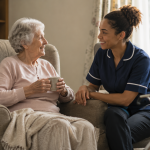
Survivors who maintain an optimistic outlook and are open to adjusting their lifestyles tend to navigate the recovery journey more effectively. Encouragement and support from family, friends, and healthcare professionals are pivotal in building this mindset. Techniques such as mindfulness, meditation, and cognitive behavioural therapy can aid in maintaining a positive perspective.
Rehabilitation Strategies for Stroke Recovery
Rehabilitation post-stroke is essential for recovering as much function as possible and regaining independence. It involves a multidisciplinary approach, combining physical, occupational, and speech therapies depending on the individual’s needs.
Physical Rehabilitation
Physical rehabilitation focuses on improving physical abilities such as strength, coordination, and balance. Physiotherapists design customised exercise programmes to help stroke survivors relearn movements and improve motor skills. Regular physical activity not only aids physical health but also boosts mental wellbeing.
Occupational Therapy
Occupational therapy aims to assist individuals in performing daily tasks and routines, enhancing their quality of life. Therapists evaluate the patient’s environment and suggest modifications to make everyday activities more accessible, from dressing to cooking. Adaptive devices are often introduced, promoting independence and efficiency in routine tasks.
Speech and Language Therapy
For those who have experienced communication difficulties or swallowing problems post-stroke, speech and language therapy is crucial. This therapy helps in restoring communication abilities and ensuring safe swallowing practices, using evidence-based techniques that are tailored to individual needs.
Lifestyle Adjustments for Stroke Prevention
Preventing further strokes is a critical component of recovery and long-term health management. Lifestyle modifications often include dietary changes, exercise routines, and managing chronic conditions.
Dietary Modifications
A heart-healthy diet low in sodium, saturated fats, and cholesterol aids in maintaining optimal blood pressure and cholesterol levels. Incorporating more fruits, vegetables, whole grains, and lean proteins can help reduce stroke risk.
Regular Exercise
Engaging in regular physical activity strengthens the cardiovascular system, controls weight, and reduces stress—all factors that lower stroke risk. Even moderate activities like walking, swimming, or cycling can provide substantial benefits.
Chronic Condition Management
Regular check-ups and management of ongoing conditions such as hypertension, diabetes, and atrial fibrillation are key in preventing stroke recurrences. Consistent medication adherence and monitoring are vital aspects of managing these conditions.
Conclusion: A Holistic Approach to Recovery
Recovering from a stroke is an ongoing journey that requires a blend of medical treatment, personal commitment, and lifestyle adjustments. Embracing a positive mindset, engaging in comprehensive rehabilitation programmes, and implementing preventive lifestyle changes can significantly improve outcomes for stroke survivors. Through education, support, and perseverance, it is possible to achieve a high quality of life post-stroke.


Leave a Reply